Features
The Murakami Kaizoku: Legendary seafarers of the Inland Sea
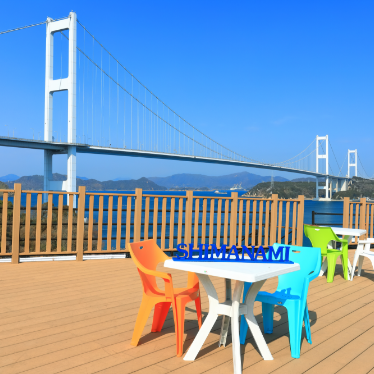
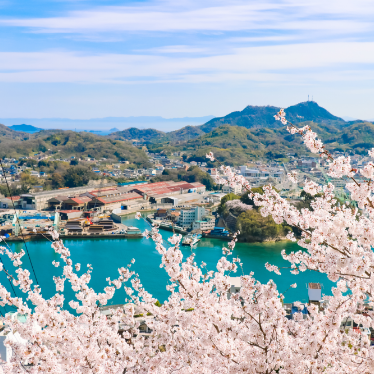
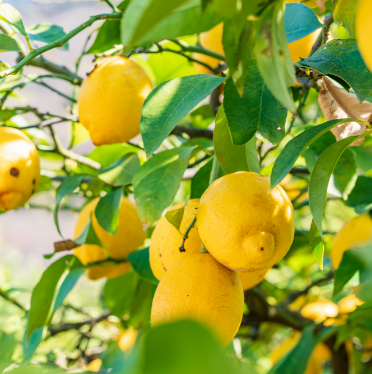
It is no secret that many, if not most, visitors to the Shimanami Kaido are drawn by its breathtaking scenery. With a route that crosses the islands of the Seto Inland Sea, via its string of impressive bridges, it takes in quiet fishing villages, citrus orchards, and island landscapes, who can blame them?
But these peaceful waters hide a remarkable story.
Centuries ago, the Seto Inland Sea was controlled by powerful maritime clans known as the Murakami Kaizoku, described by the 16th-century Portuguese missionary Luís Fróis as “the greatest corsairs in Japan.”
The Murakami maintained order across the Inland Sea’s shipping lanes. They guided ships through dangerous currents, protected merchants, and controlled one of Japan’s leading maritime trade routes.
The Shimanami Kaido: Cycling through the land of the Murakami Kaizoku
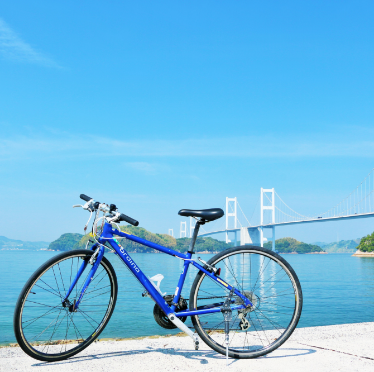
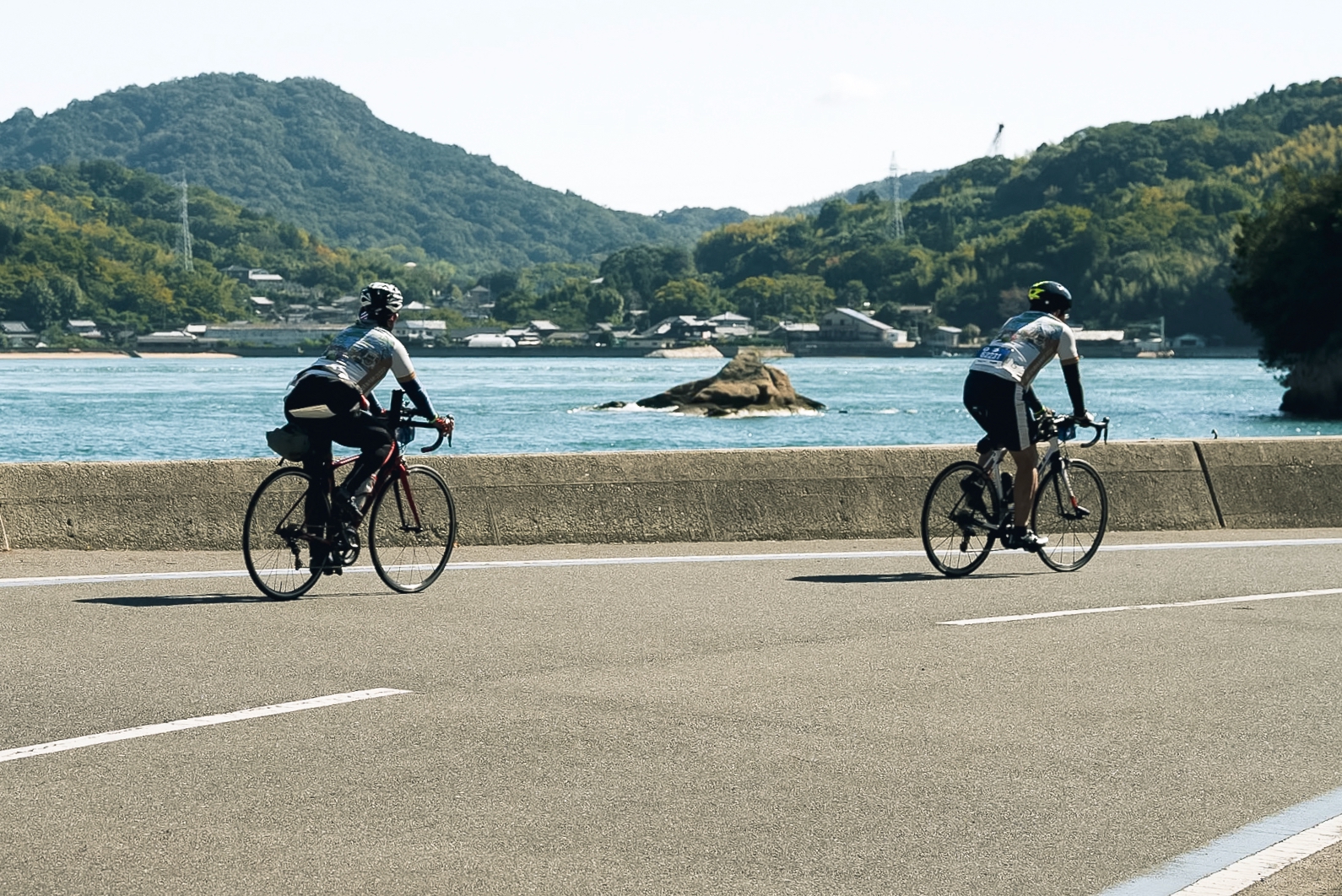
The Shimanami Kaido cycling route stretches about 70 kilometers across six islands between Honshu and Shikoku, offering some of Japan’s most spectacular coastal scenery.
For modern travelers, the route offers panoramic views of the Seto Inland Sea, famous for its calm waters and island-dotted horizons. But historically, this geography created one of the country’s most challenging maritime environments.
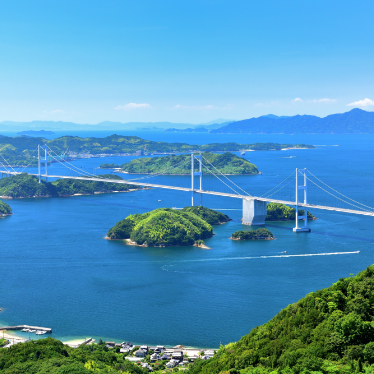
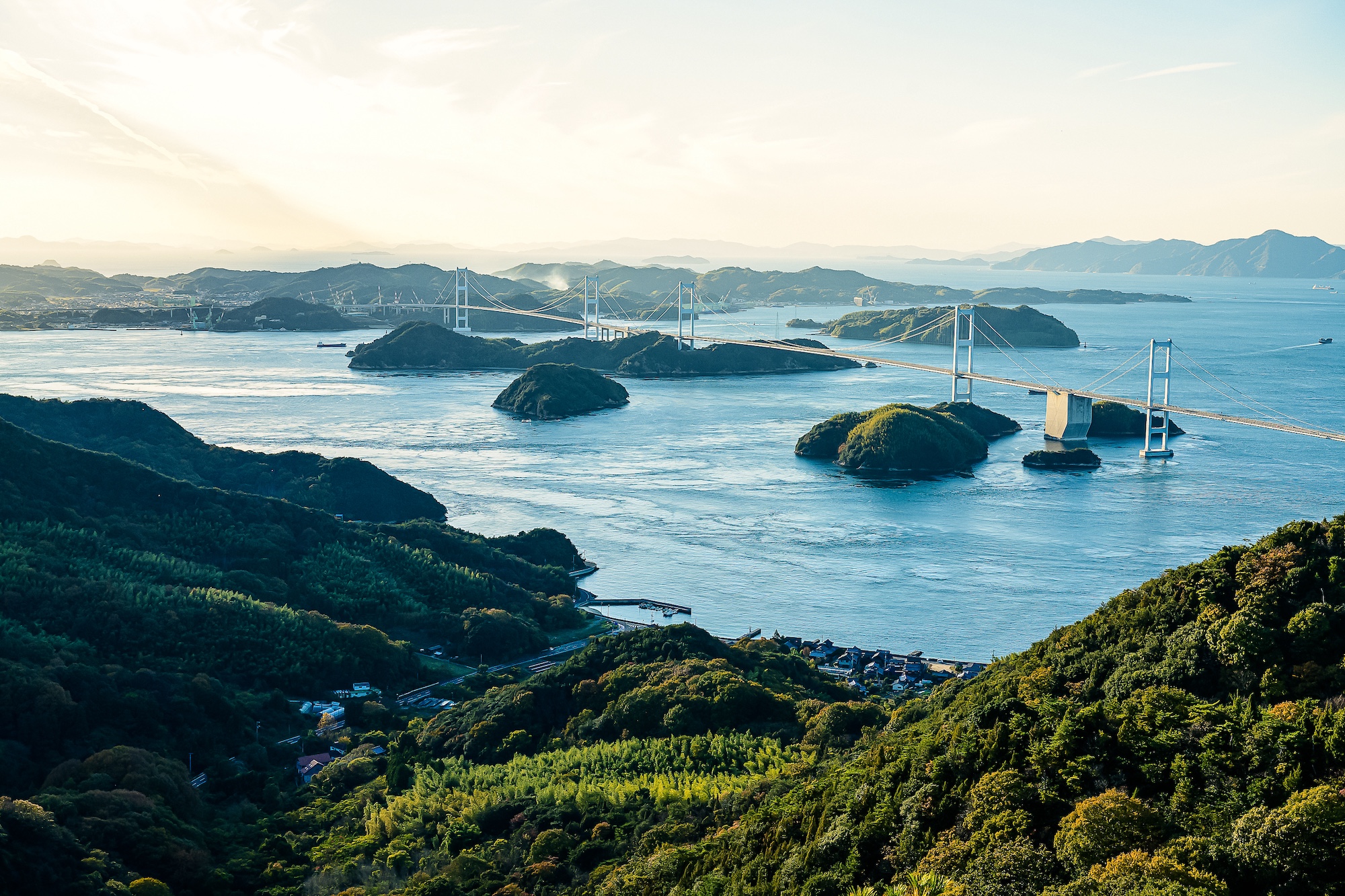
The Geiyo Islands are tightly clustered, forming narrow channels where tidal currents surge with surprising force. In places such as the Kurushima Strait, tides rush through the channels, creating swirling currents and whirlpools.
Local fishermen have long shared a piece of wisdom: “Don’t ride the boat—ride the tide.”
For sailors unfamiliar with these waters, navigation could be extremely dangerous. Ships risked being pushed onto reefs or swept off course by powerful currents.The Murakami Kaizoku became masters of these waters because they understood the tides better than anyone else.
Who Were the Murakami Kaizoku?
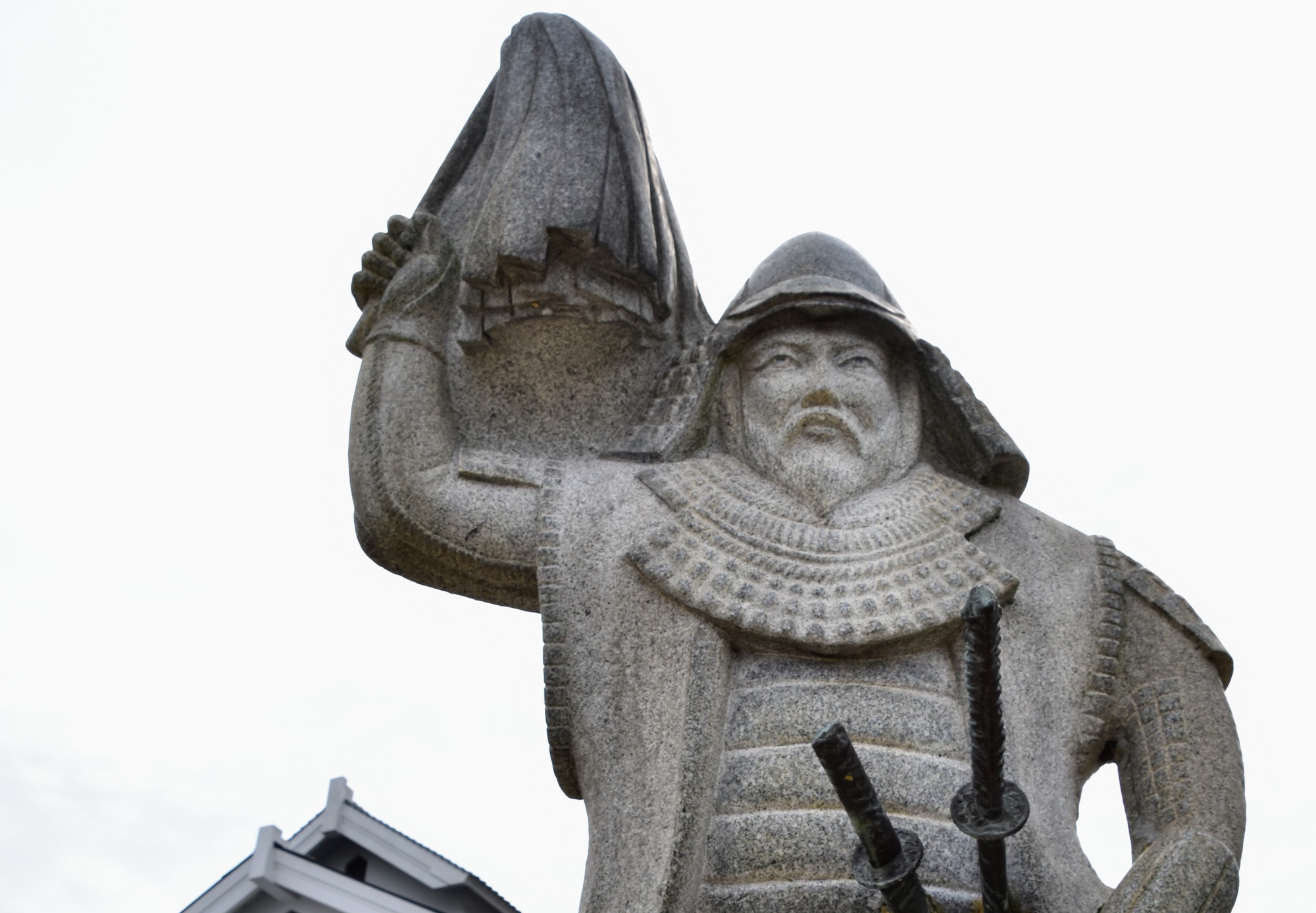
The Murakami Kaizoku emerged during the 14th century and remained powerful throughout Japan’s Warring States period (1467–1600).
Although often described as pirates, historians now view them more accurately as maritime lords who controlled sea routes and protected trade across the Seto Inland Sea. The Murakami would guide ships through difficult straits, provide merchant vessels protection from other pirates, manage maritime checkpoints, and collect tolls for safe passage.
Thanks to this system, ships traveling east and west across the Seto Inland Sea were able to navigate safely.
The mark of the Murakami Kaizoku
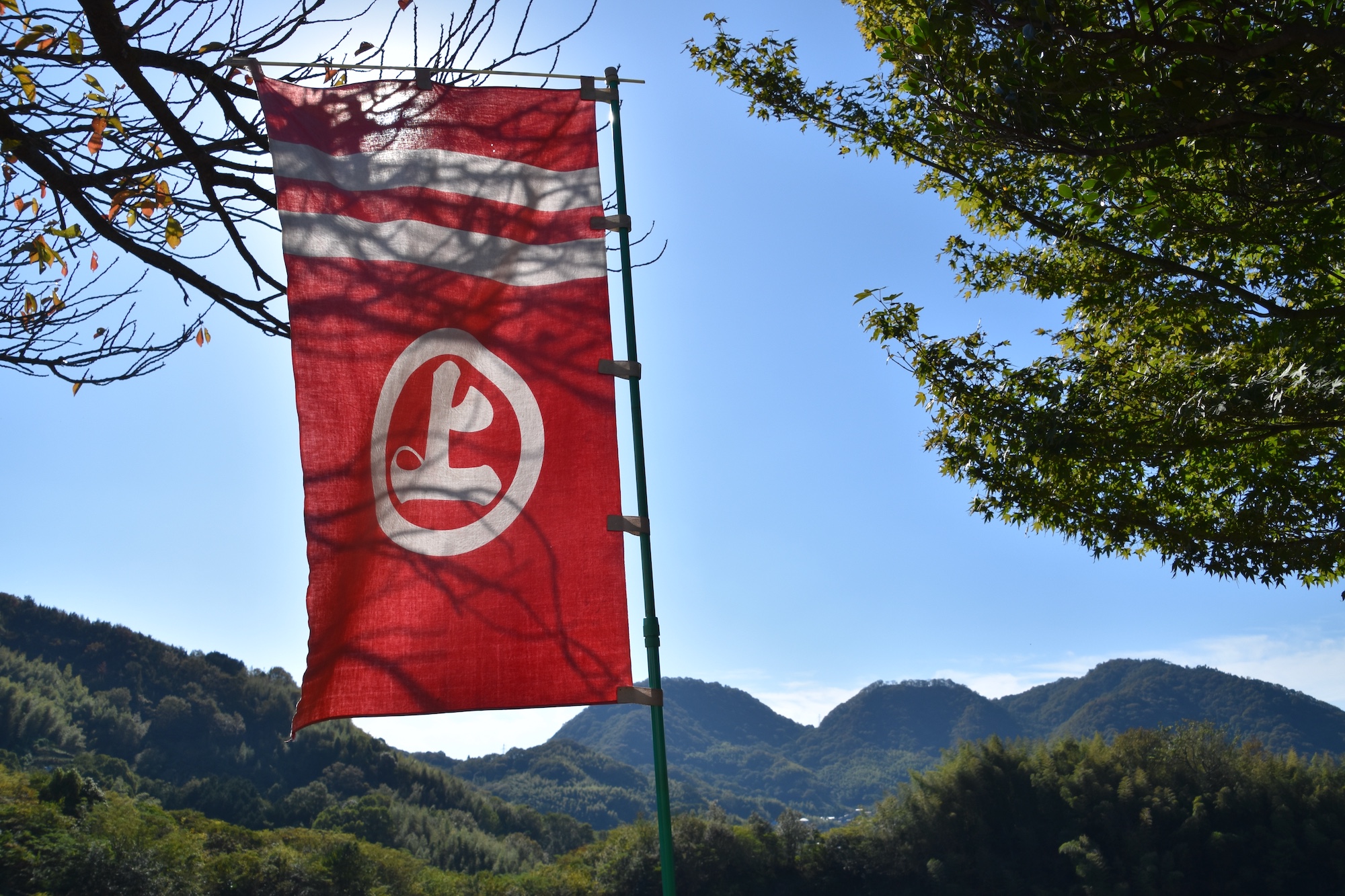
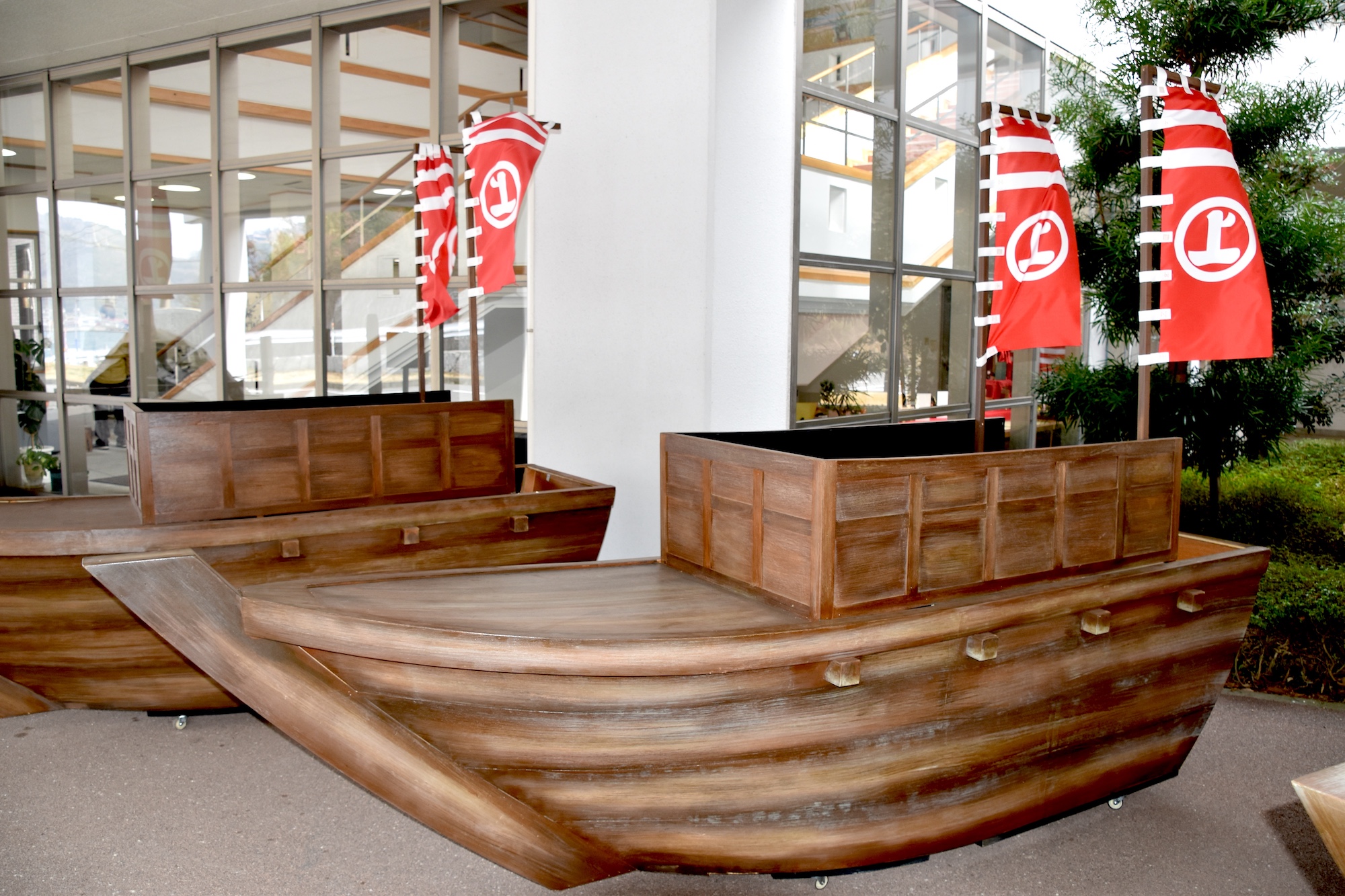
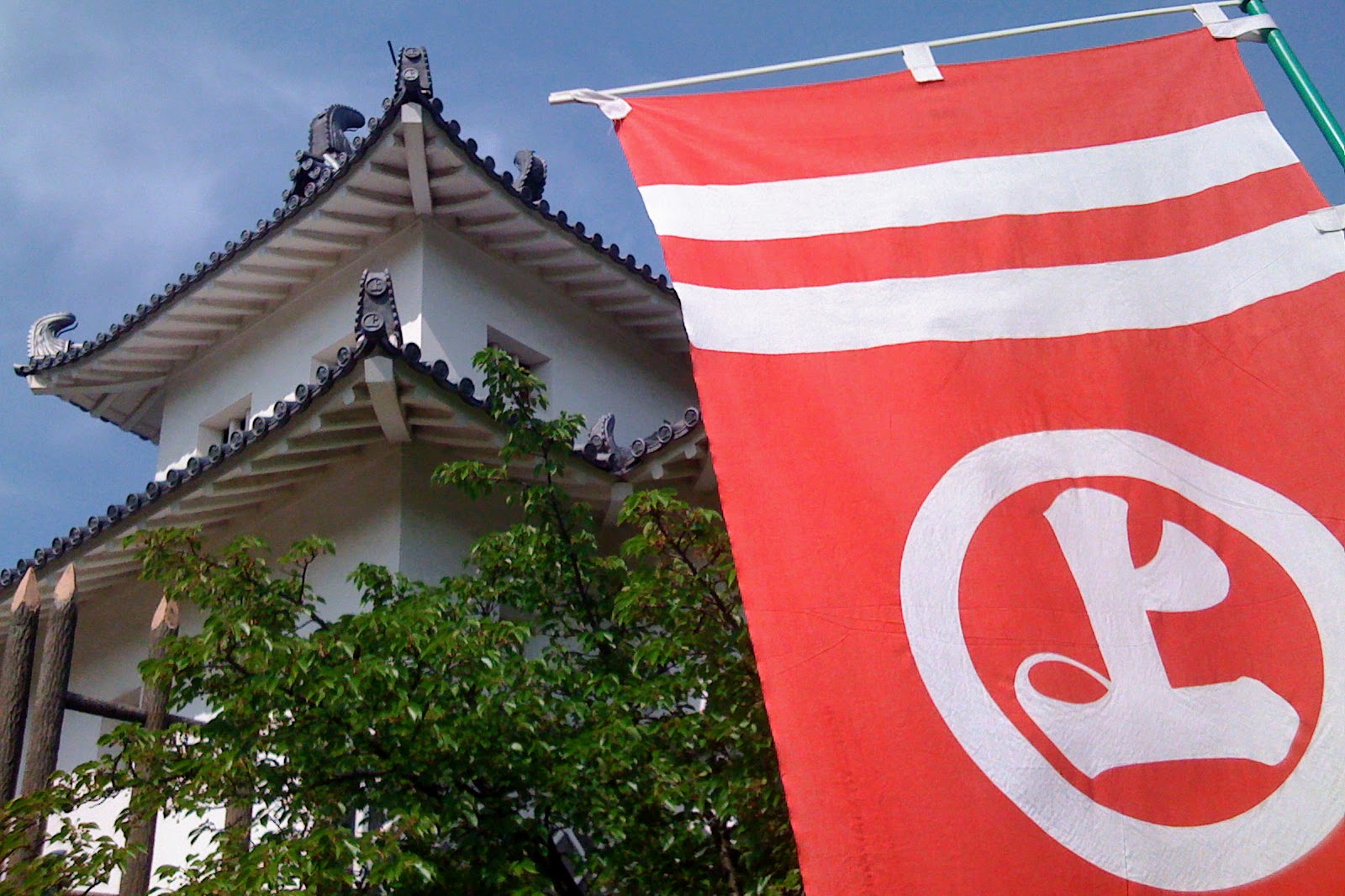
The crest of the Murakami, displayed on the flag above, can be seen all along the Shimanami Kaido. Simple yet symbolic, it is comprised of the character 上 (kami, meaning “upper” and one of the characters that make up the Murakami name) enclosed within a circle, accompanied by three flowing wave lines.
Pirates or protectors? How the Murakami controlled sea travel
A famous story illustrates how their system worked.
When the Portuguese missionary Luís Fróis sailed through the Inland Sea in the 16th century, the head of the Noshima branch of the Murakami Kaizoku provided him with a silk flag bearing their crest and signature, which served as a kind of maritime passport.
If pirate ships approached, the crew could raise the flag to show they were under Murakami protection. In exchange, ships paid a toll for safe passage and navigation assistance. In effect, the Murakami Kaizoku operated a network of maritime checkpoints that regulated trade across the Seto Inland Sea.
The Three Murakami Clans
The Murakami Kaizoku consisted of three closely connected families controlling different parts of the Inland Sea.
Innoshima Murakami
Based on Innoshima Island, this branch controlled sea routes near the Honshu coast.
Noshima Murakami
The Noshima Murakami dominated the central waterways of the Geiyo Islands, often considered the most powerful branch.
Kurushima Murakami
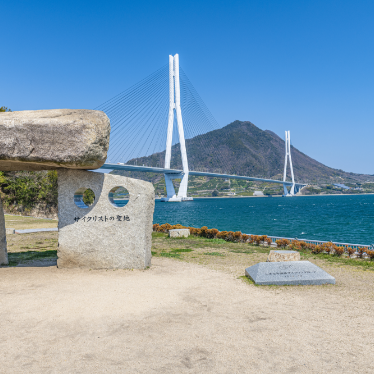
Located near the Kurushima Strait, over which the 4-km-long Kursushima Straits Bridge crosses, this clan controlled the shipping channels closer to Shikoku.
Together, these clans formed a powerful maritime alliance that ruled the Inland Sea for centuries.
Sea Castles and Maritime Checkpoints
To control the region’s strategic waterways, the Murakami built sea castles (umijiro) on small islands and coastal headlands.
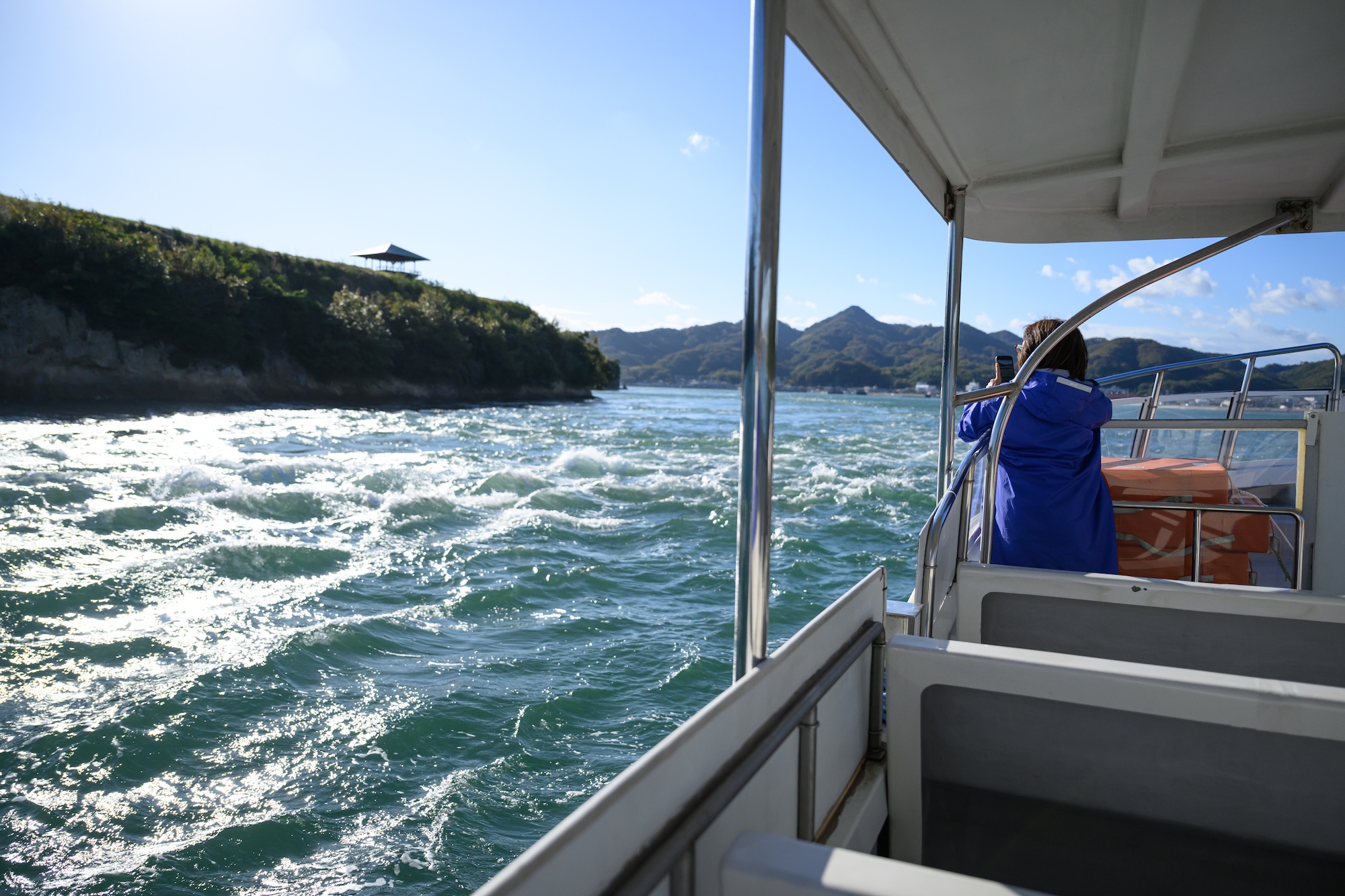
One of the most famous Noshima Castle, artifacts of which remain on a small island off the coast of Oshima Island. Surrounded by fierce tidal currents, the waters around the island acted as a natural fortress.
Visitors can approach the island and experience the swirling currents that were the key to Murakami’s power on regularly scheduled boat cruises departing from the pier below the Murakami Kaizoku Museum.
Culture, Poetry, and Tea: The Sophisticated Side of the Murakami Kaizoku
Although sometime thought o as pirates, the Murakami leaders lived surprisingly refined lives. Historical records show that these maritime warriors enjoyed many of the cultural pursuits of elite samurai.
They practiced the cultivated arts, such as tea ceremony, incense appreciation, and writing poetry. At Oyamazumi Shrine on the island of Omishima, Murakami leaders composed poems dedicated to the gods, praying for victory in battle and safe voyages.
These cultural traditions reveal a side of Murakami far removed from the stereotypical image of pirates.
Sacred Seas: Oyamazumi Shrine and the Faith of the Murakami
Religion also played an important role in Murakami life.
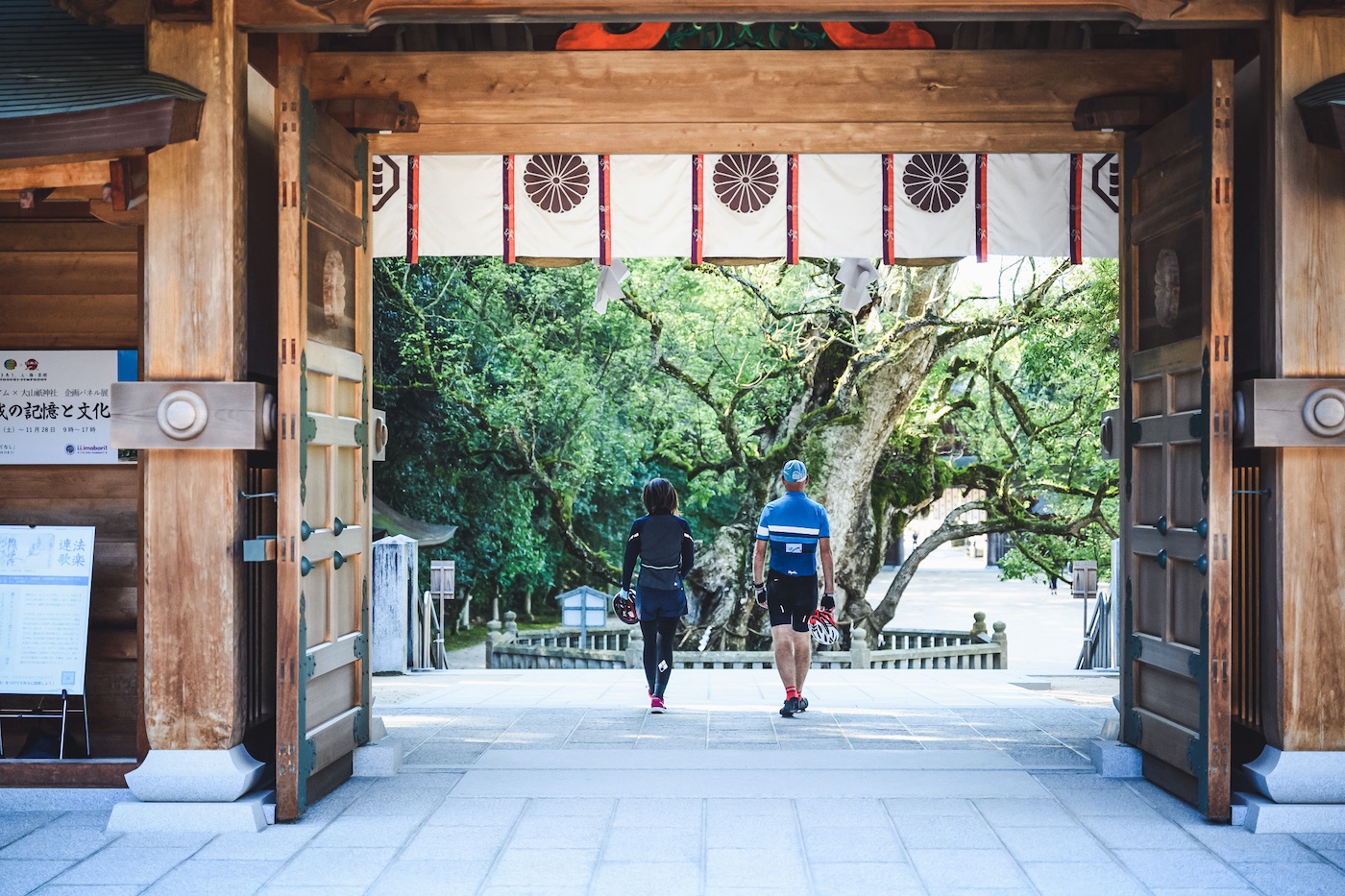
Located on Omishima Island, the above-mentioned Oyamazumi Shrine was long revered as a protector of warriors and maritime travel.
Murakami commanders worshipped here before voyages and battles. The shrine’s treasure hall contains an extraordinary collection of samurai armor and weapons donated by famous warriors throughout Japan’s history – a must-visit for anyone with an interest in samurai and military history.
Murakami Kaizoku Sites to Visit Along the Shimanami Kaido
Travelers cycling the Shimanami Kaido can explore many places connected to the Murakami Kaizoku.
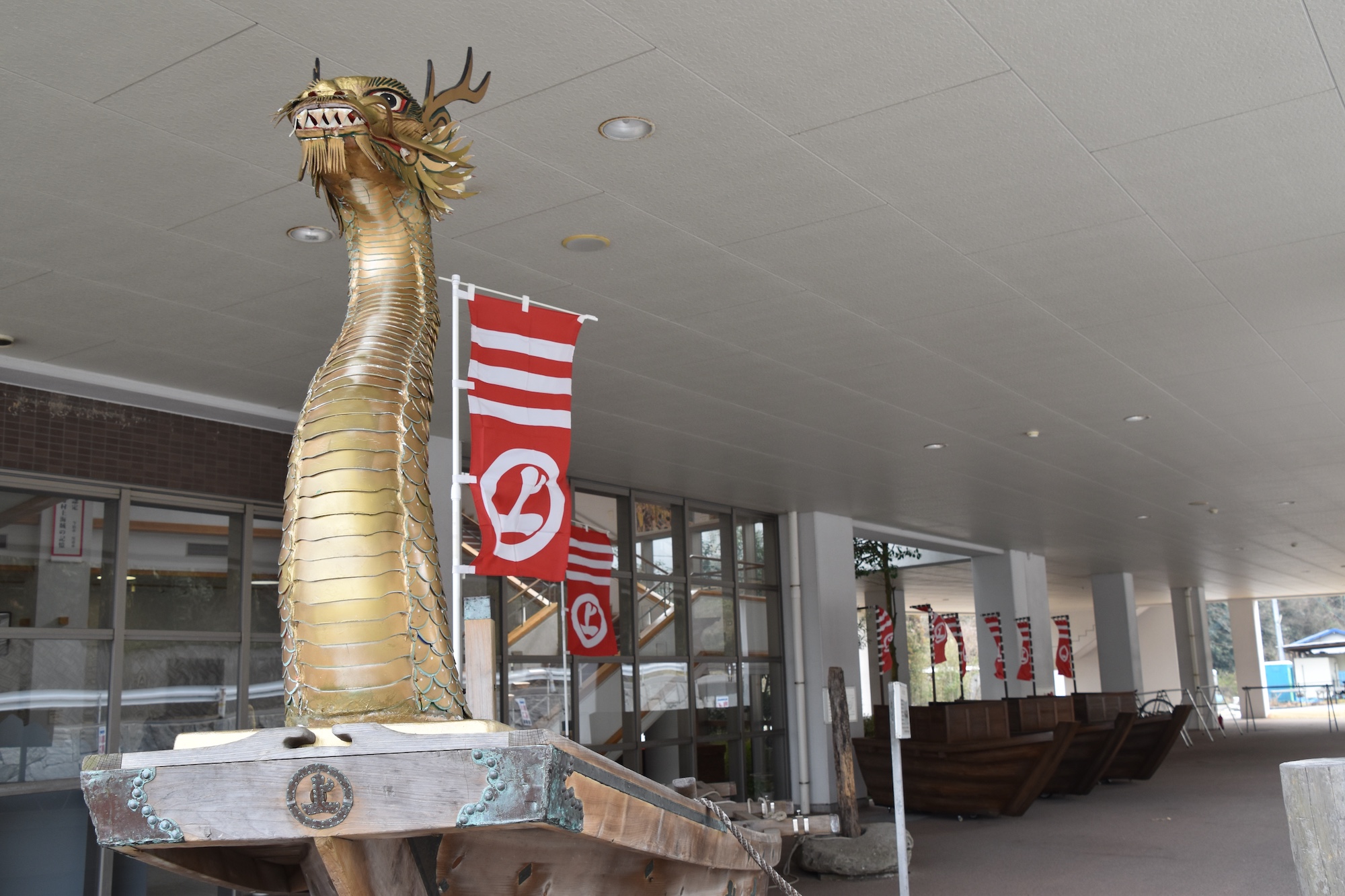
Murakami Kaizoku Museum (Oshima Island)
This museum introduces the history of the Murakami clans through armor, weapons, and historical artifacts. Boat cruises that take in the former site of Noshima Castle also depart from the pier below the museum.
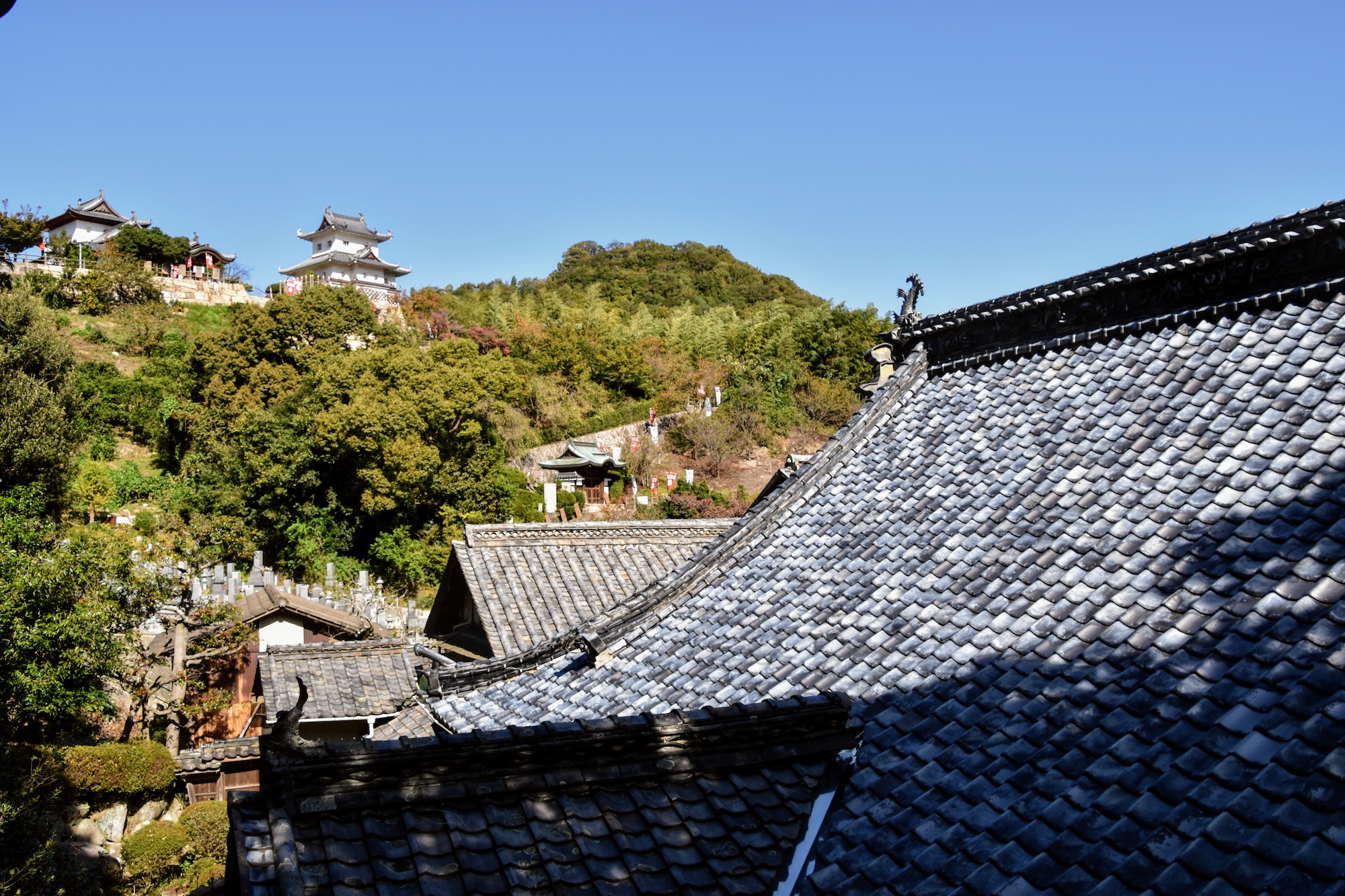
Innoshima Suigun Castle (Innoshima Island)
This museum is dedicated to the Innoshima Murakami branch and contains exhibits about maritime warfare and trade. Although the “castle” building itself is a fanciful reconstruction, nearby is a truly authentic cemetery where many of the Murakami were laid to rest.
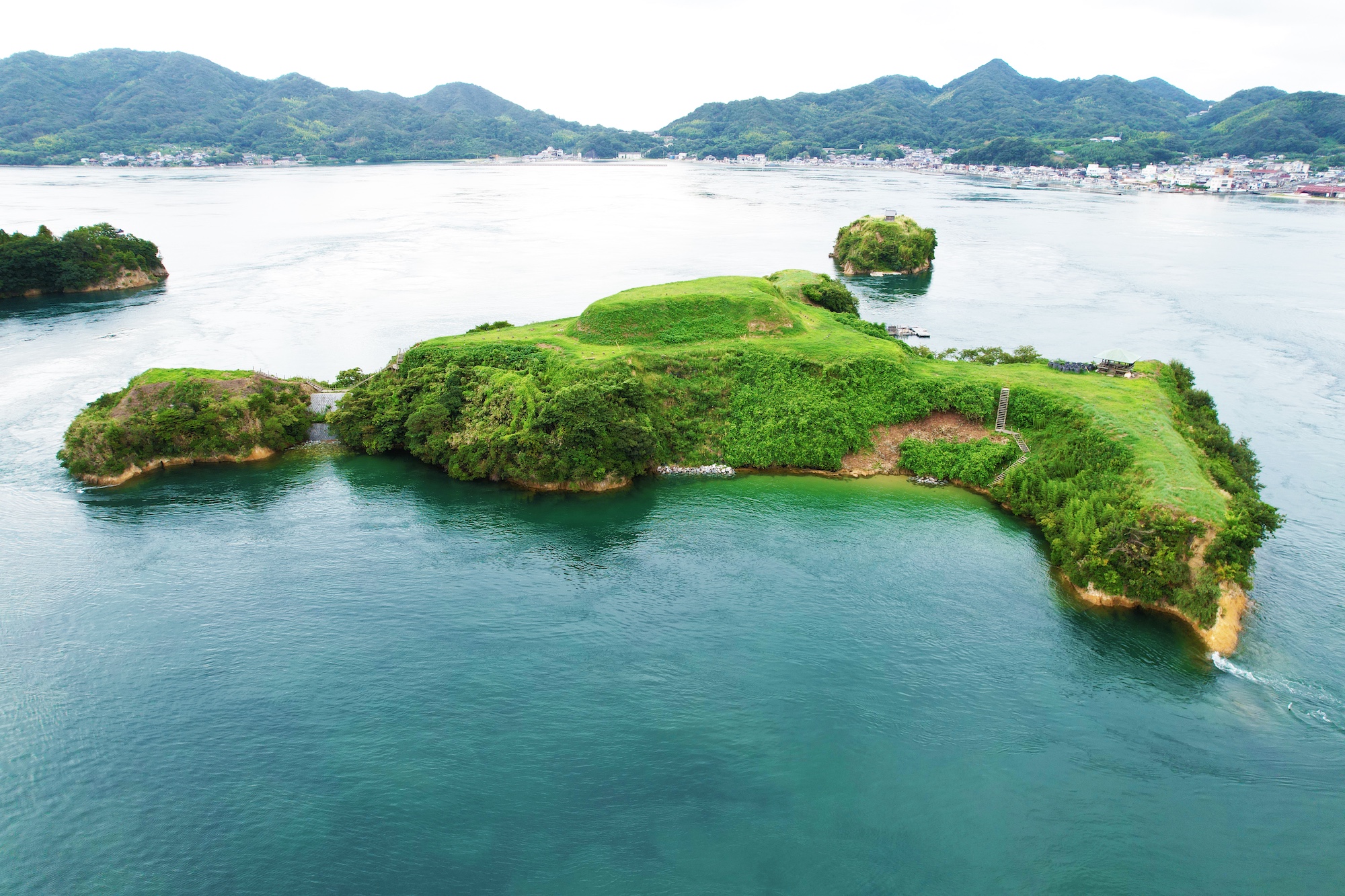
The Site of Noshima Castle
The remains of the Noshima Murakami fortress are located on a small island surrounded by powerful tidal currents. Daily boat tours that depart from the pier below the Murakami Kaizoku Museum take you very close to the island, and there are tours on weekends and holidays (reservations required) that allow you to actually land on the island.
Mt. Shirataki and the Five Hundred Arhats (Innoshima Island)
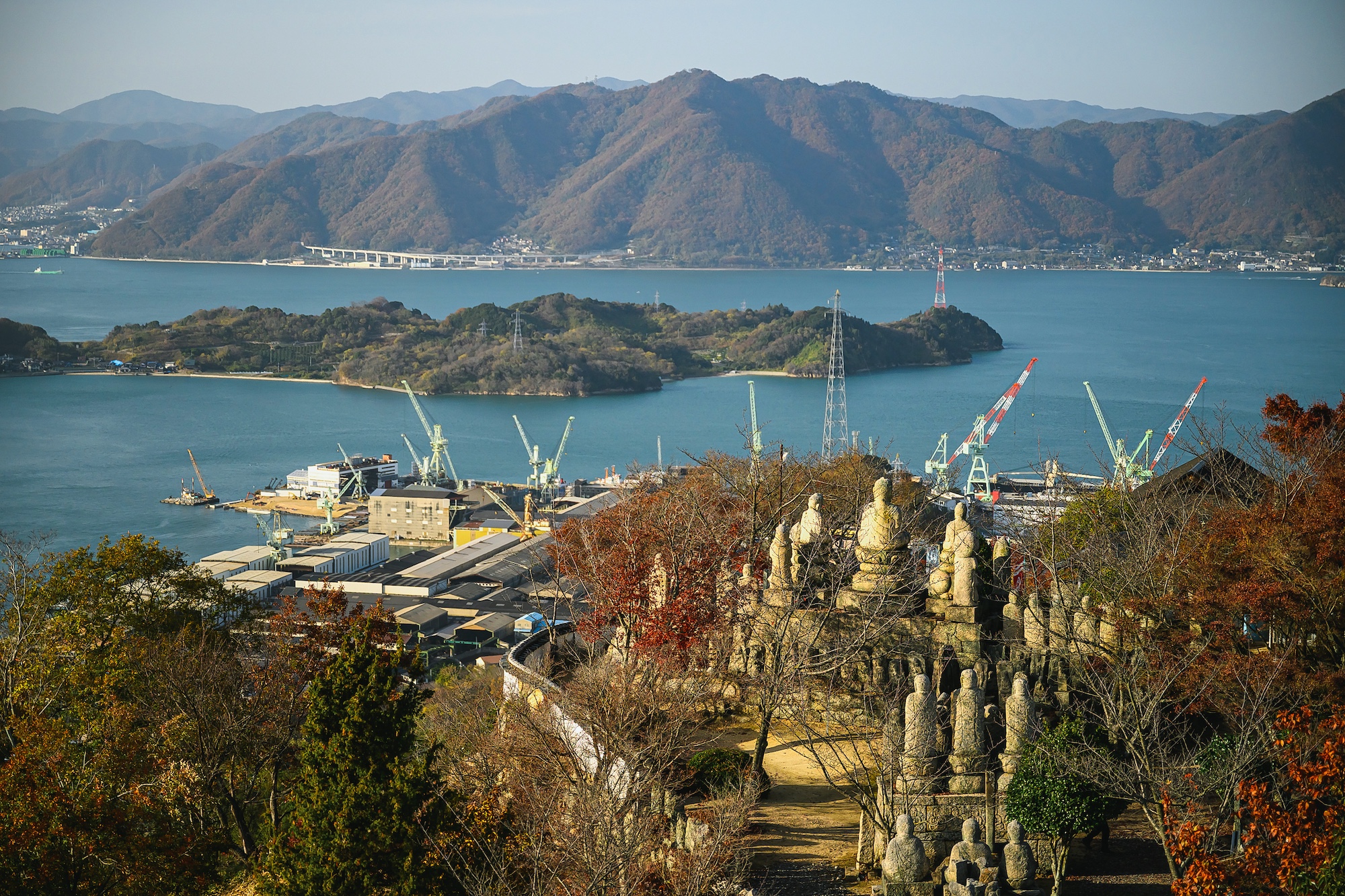
One of the most striking cultural sites connected to the Murakami is Mt. Shirataki on Innoshima.
226m high Mt. Shirataki served as a strategic defensive lookout behind an important castle base of the Innoshima Murakami. From its summit, one can see across the surrounding islands and sea routes once plied by the Murakami fleets.
During the Edo (1600-1868) period, the mountain became a site of religious devotion. A local stone mason and his apprentices carved around 700 stone statues, known collectively as the Five Hundred Arhats (Gohyaku Rakan).
These expressive figures—representing enlightened disciples of the Buddha—line the mountaintop paths and gaze out across the Inland Sea. The result is one of the most unique landscapes along the Shimanami Kaido.
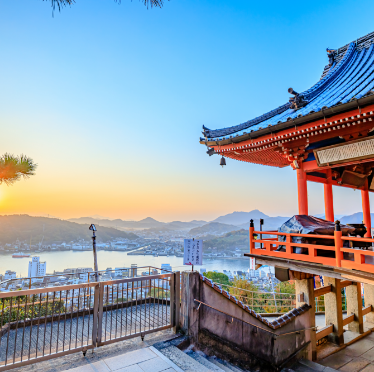
Today, visitors who push the gears on their bikes up the steep road to the summit are rewarded with spectacular panoramic views of the island-dotted Seto Inland Sea, the same waters once patrolled by Murakami ships.
Annual Festivals That Celebrate Murakami Kaizoku Heritage
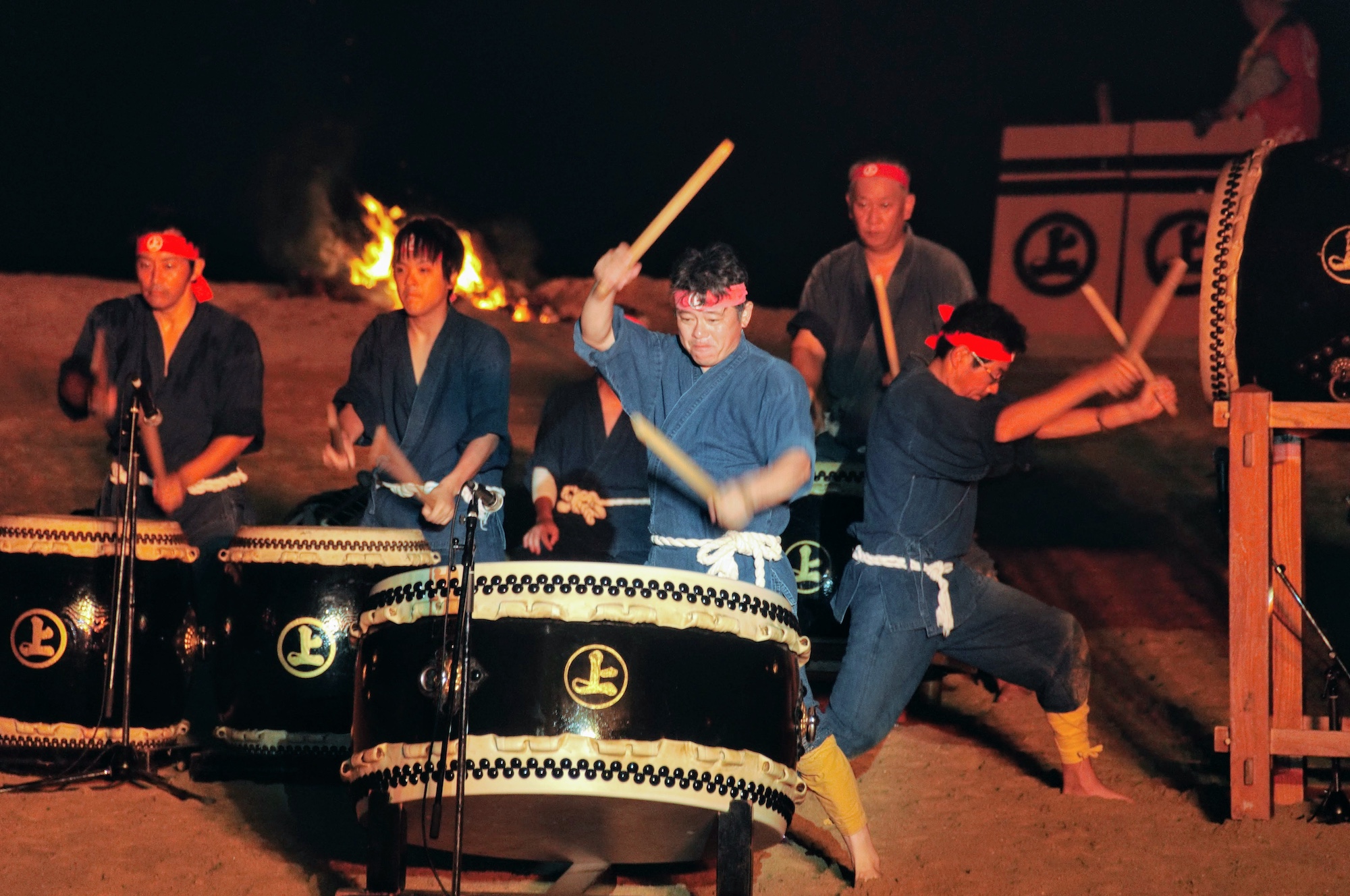
The legacy of the Murakami Kaizoku is not only preserved in museums and castle ruins. Local islanders celebrated it as part of everyday life on the islands they once ruled.
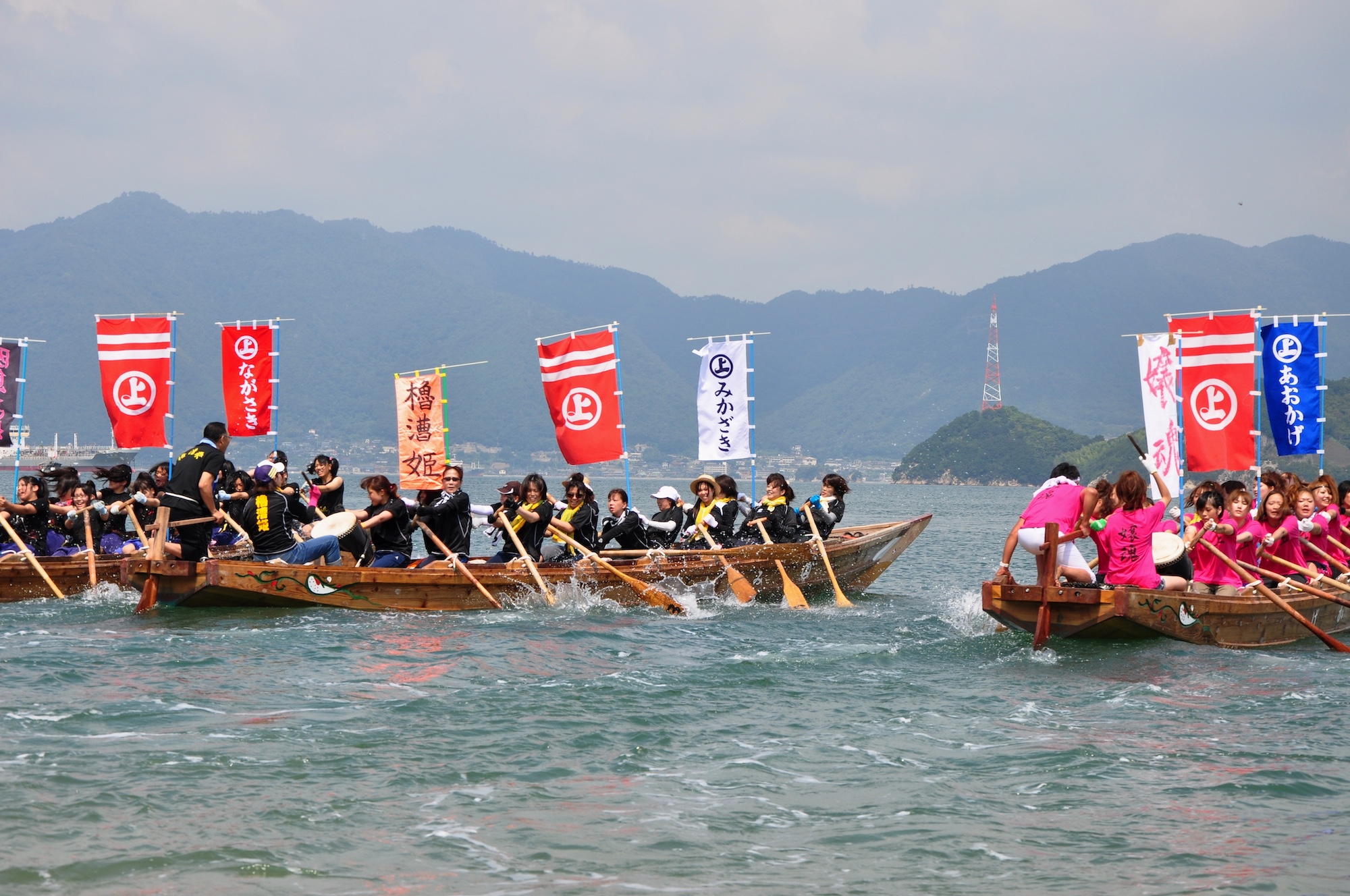
On Innoshima, the maritime heritage of the Murakami comes alive each summer on Shimanami Beach, a short distance from the Innoshima Bridge.
During the daytime Sea Festival, crews row sleek wooden kobaya boats, modeled after the swift vessels once used by the pirates, in energetic races across the water.
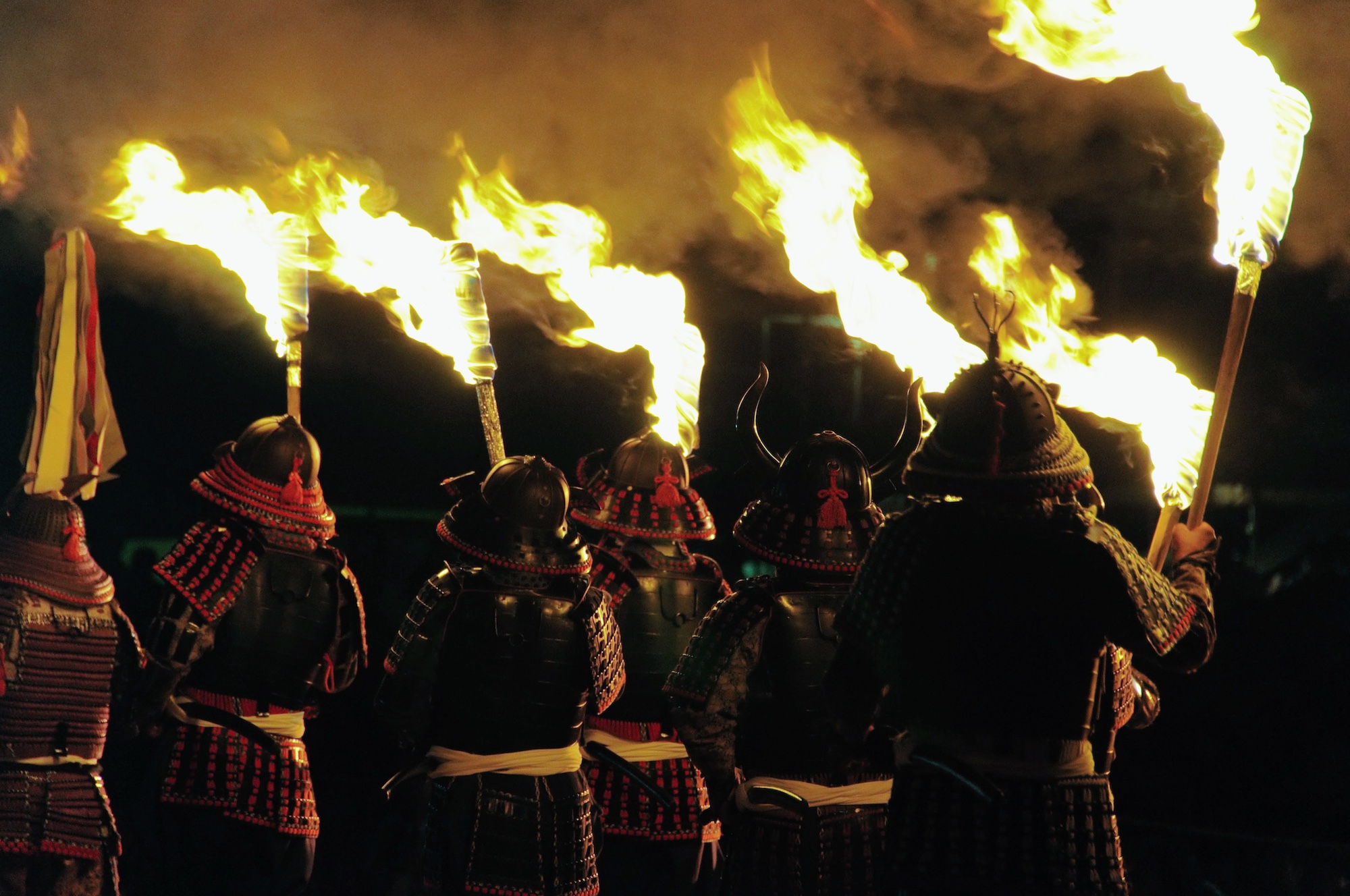
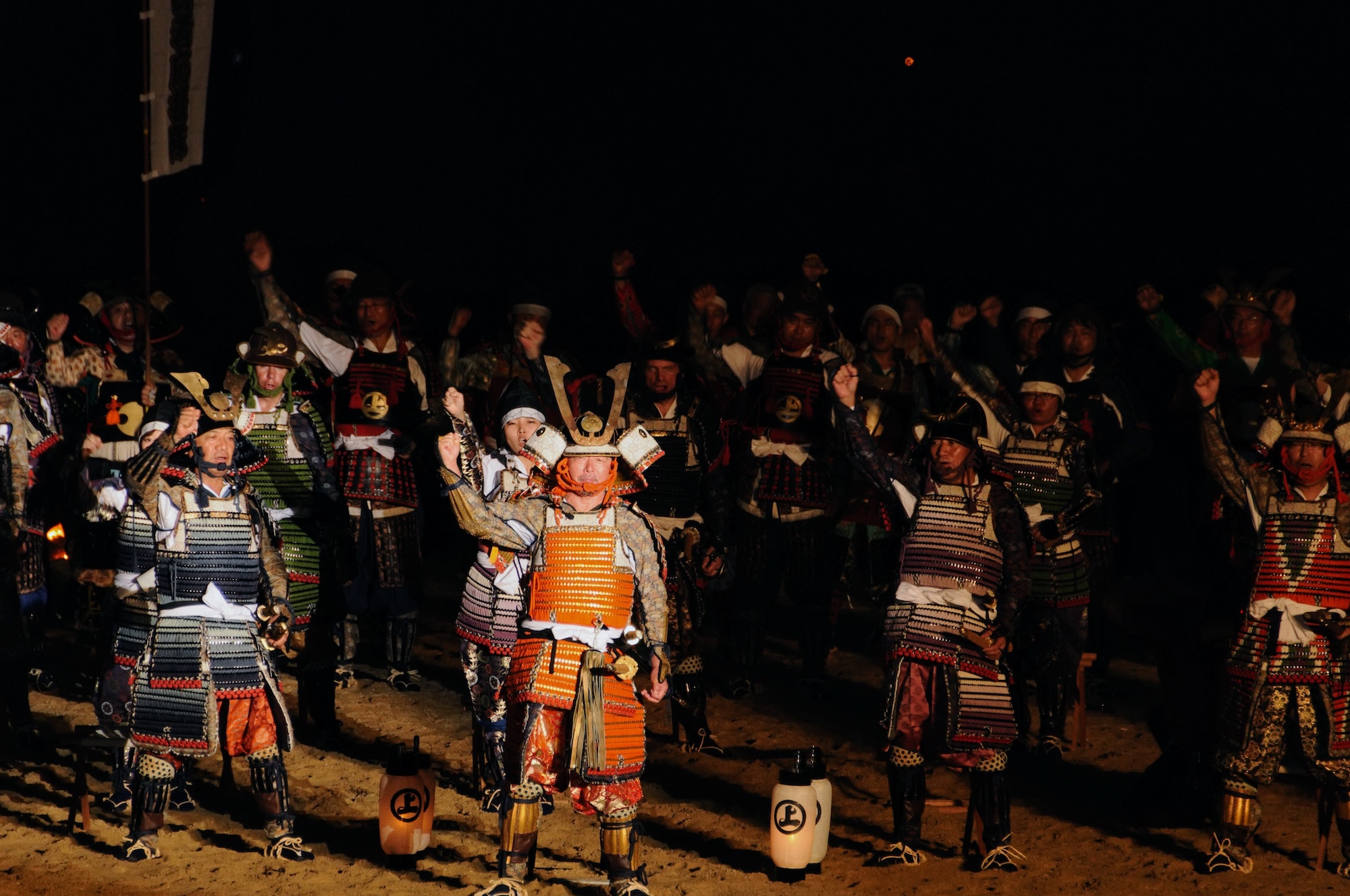
Even more spectacular is the Fire Festival. This celebration is one of the region’s most spectacular historical events, a mix of historical reenactment, local pride, and community participation.
As evening falls along the shoreline, rows of blazing torches illuminate armored warriors and traditional boats, recreating the dramatic return of Murakami fleets from battle. The event closes with an incredible fireworks display over the water.
Food of the Sea Lords: Local Dishes Inspired by Kaizoku Life
The Murakami Kaizoku were also fishermen and traders who relied on the rich seafood of the Inland Sea. Several local dishes reflect this maritime heritage.
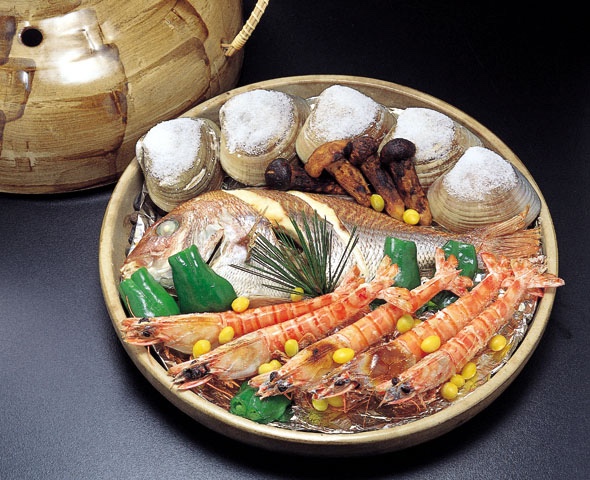
Horaku-yaki
Seafood grilled on a clay plate covered with small stones. Local tradition says it was eaten to celebrate victory in battle.
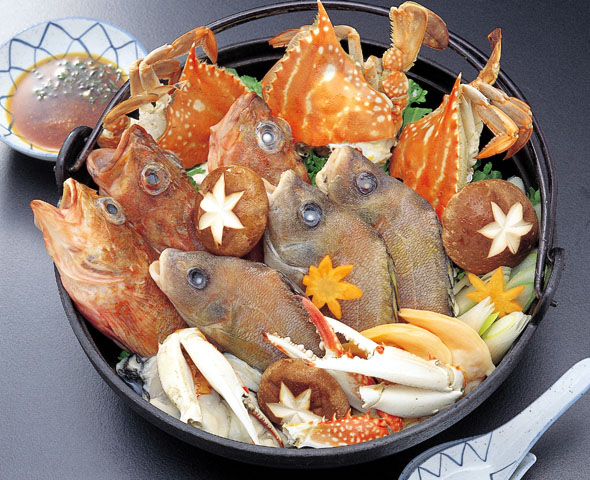
Suigun Nabe
Meaning “naval hotpot,” this dish combines freshly caught seafood in a hearty stew reminiscent of meals Murakami sailors prepared on board their ships.
Look out for these dishes in restaurants in Onomichi and Imabari, offering travelers a taste of pirate-era cuisine.
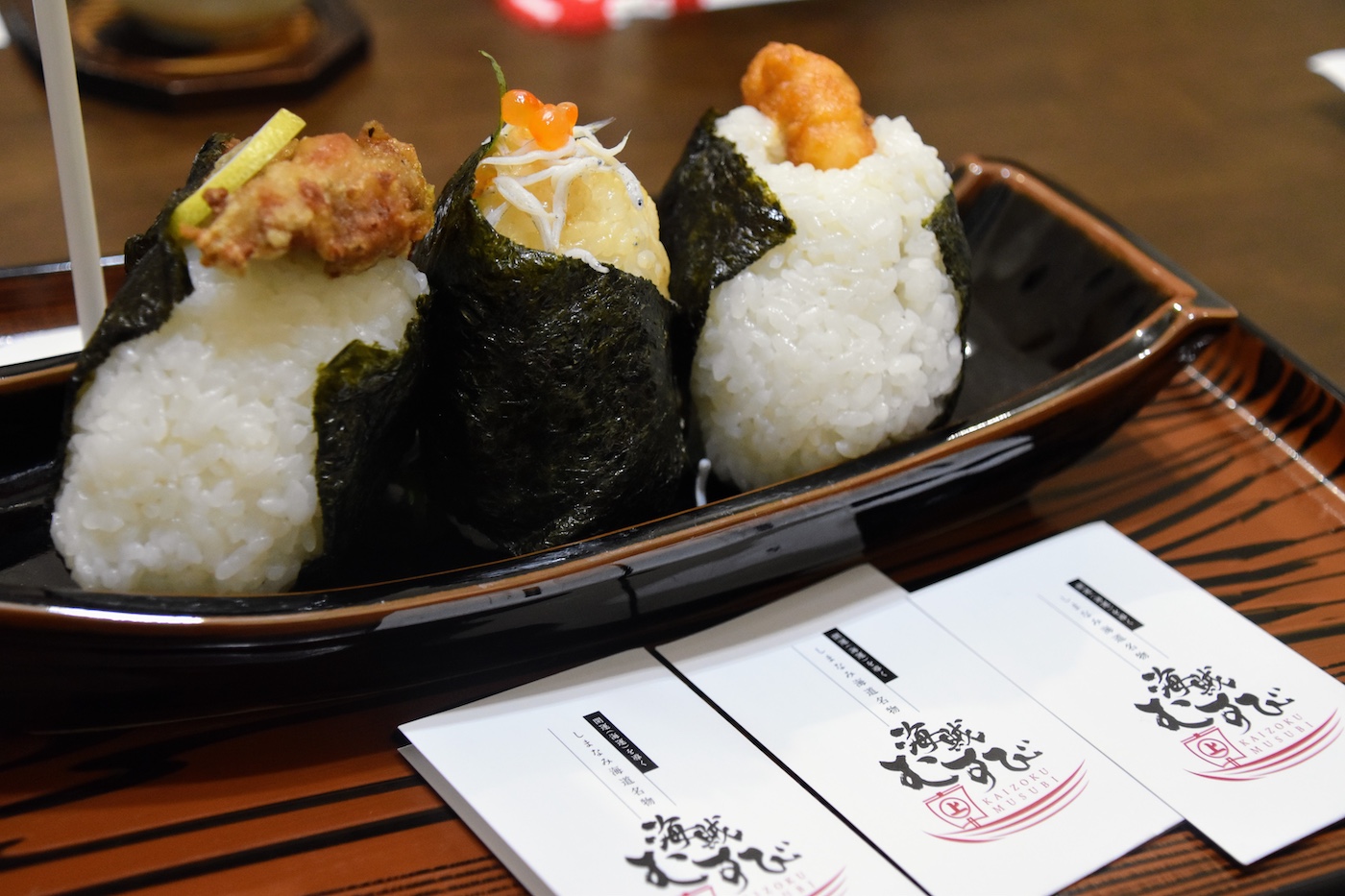
For a lighter, Murakami Kaizoku-inspired meal, try some of Shimanami Japan’s Kaizoku Musubi riceballs, available throughout the islands.
The End of Japan’s Kaizoku Era
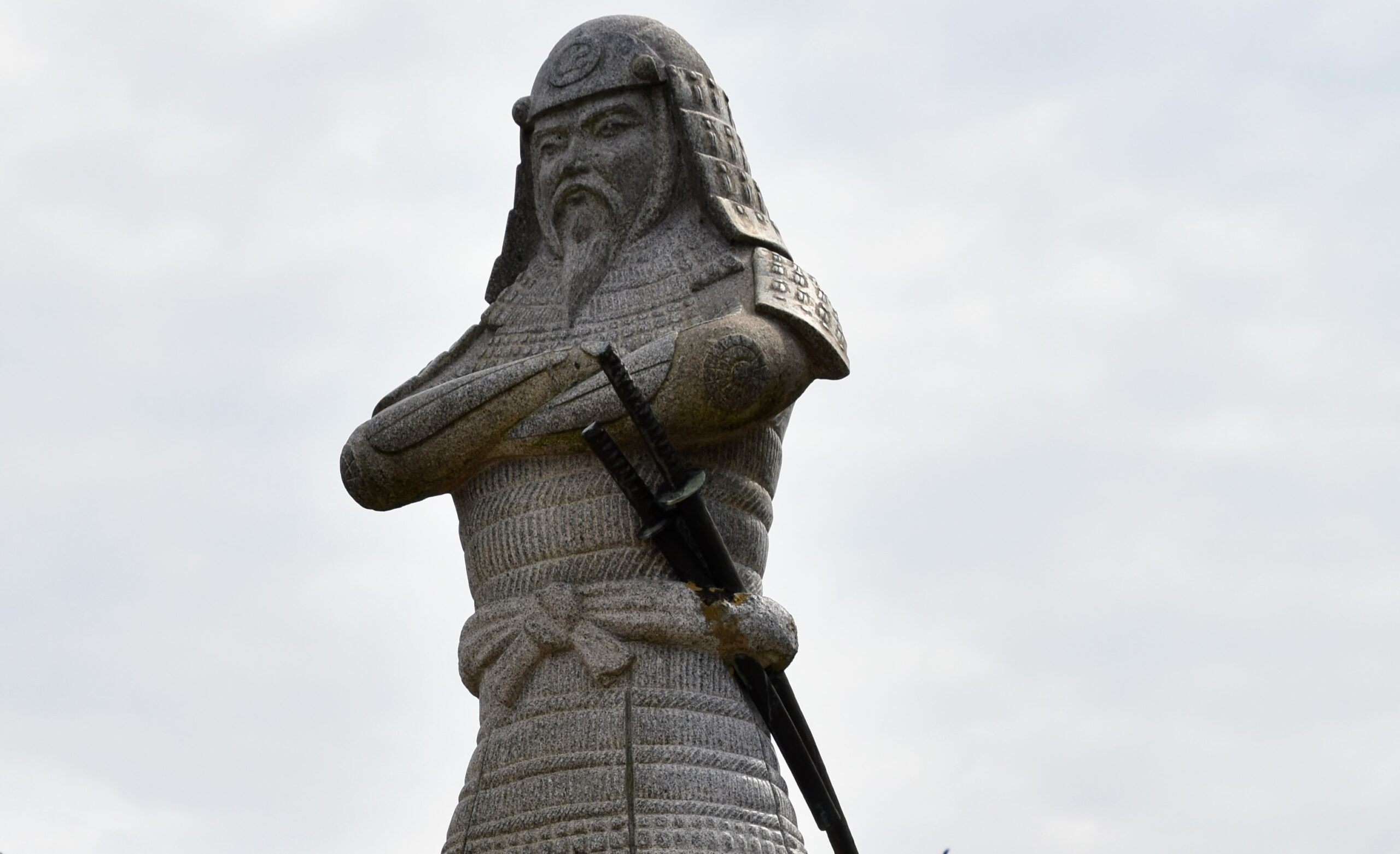
The Murakami Kaizoku’s dominance ended in the late 16th century.
As the warlord Toyotomi Hideyoshi unified Japan, independent naval powers were brought under control, and in 1585, the Murakami clans surrendered their sea castles.
Some members later served powerful feudal lords as naval commanders, while others returned to fishing and trade.
Their era as rulers of the Inland Sea had ended—but their legacy remained.
Discover the Murakami Legacy While Cycling the Shimanami Kaido
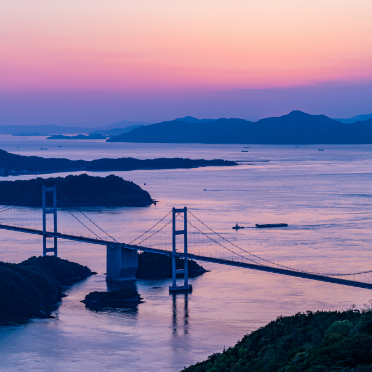
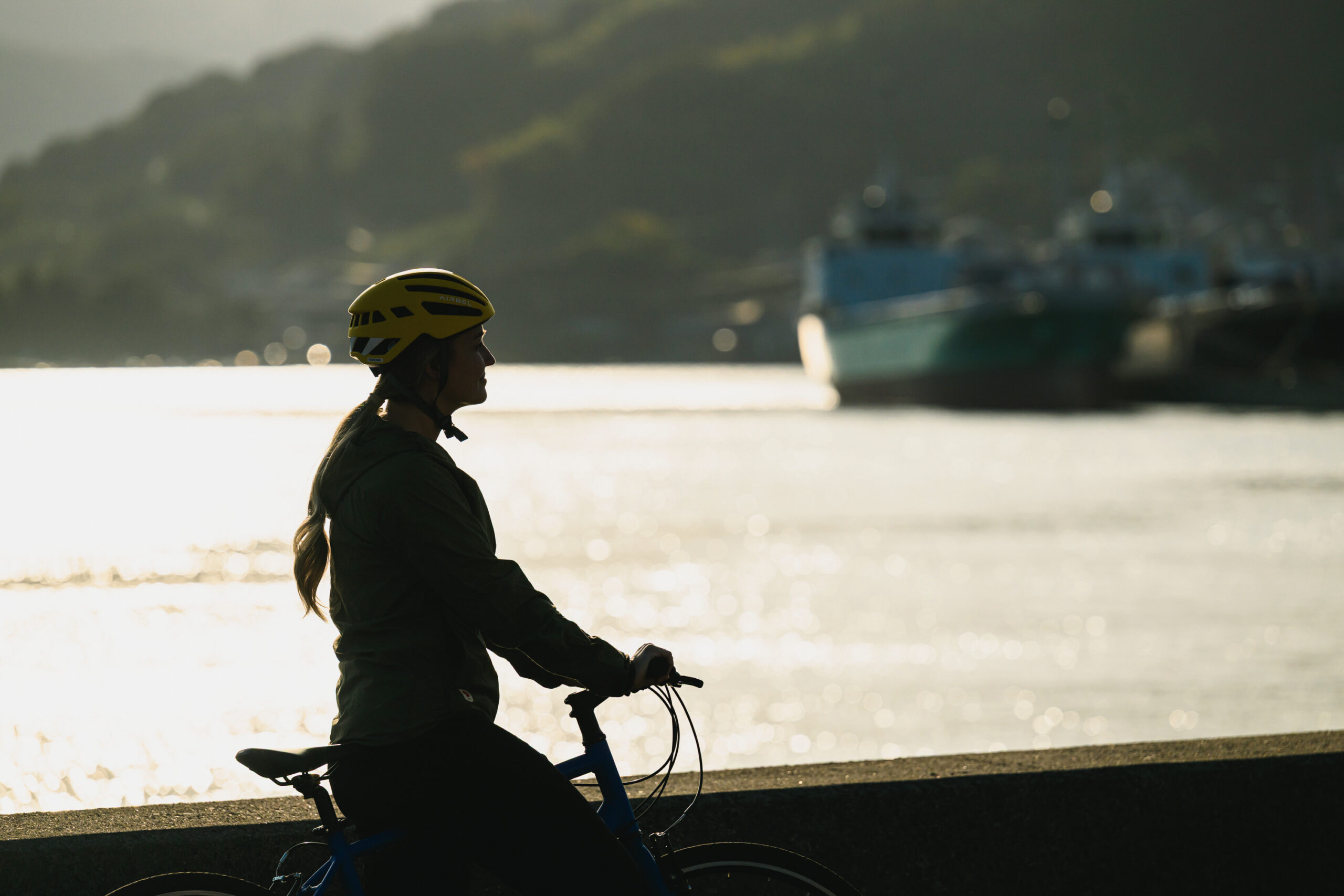
As you cycle along the peaceful Shimanami Kaido, consider the dramatic past that lies beneath its scenic views. These bridges span waters once patrolled by the fleets of the Murakami Kaizoku. These islands once held naval fortresses and maritime checkpoints.
As you cycle across the Inland Sea, you trace the same routes once navigated by the Murakami Kaizoku, masters of the tides who shaped the history of this remarkable region.